

Fleet Management and Smart Mobility
Smart mobility offers alternative transportation alternatives to private cars which encourage carpooling and public transit use. It also enhances sustainability by reducing traffic and pollution.
These systems require high-speed connectivity between devices and road infrastructure as well as centralised systems. They also require sophisticated software and algorithms to process the data collected by sensors and other devices.
Safety
Smart mobility solutions are available to tackle the various challenges of modern cities, such as the quality of air, sustainability, and road safety. These solutions can help to reduce traffic congestion as well as carbon emissions. They also facilitate access to transportation options for residents. They also can improve fleet maintenance and offer more efficient transportation options for passengers.
As the smart mobility concept is still relatively new, there are some hurdles to overcome before these solutions are fully rolled out. This involves securing smart devices and infrastructures, developing user-friendly UIs, and implementing robust measures for data security. It is also essential to comprehend the needs and preferences of different user groups to promote adoption.
A key feature of smart mobility is its capacity to integrate with existing infrastructure and systems. Sensors can provide real-time information and enhance the performance of systems by making them part of vehicles roads, transport components. They can monitor traffic, weather conditions and the health of vehicles. They can also spot road infrastructure issues, like potholes and bridges and report them. These data can be used to optimize routes, reduce delays, and minimize the impact on traveller.
Smart mobility also comes with the advantage of improving safety for fleets. Through advanced best electric mobility scooter for adults alerts and collision avoidance systems, these technology can help reduce accidents caused by human mistakes. This is crucial for business owners who depend on their fleets to deliver products and services.
Smart mobility solutions can reduce the consumption of fuel and CO2 emissions through enabling more efficient use of vehicles and transportation infrastructure. They also can encourage the use of electric cars which will reduce pollution and contribute to cleaner air. Smart mobility can also provide alternatives to private car ownership and encourage public transportation.
As the number of smart devices grows an extensive system for protecting data is required to ensure security and privacy. This requires establishing clear guidelines on the types of data that are being collected, how it is used and who it's shared with. It also involves implementing effective security measures, regularly updating systems to fend off emerging threats, and making sure there is transparency around practices for handling data.
Efficiency
It is evident that the urban mobility ecosystem is in dire need of a revamp. Pollution, congestion and wasted time are just a few factors that can negatively impact the business environment and quality of life.
Companies that offer solutions to the modern transportation and logistical problems will be able to take advantage of the growing market. These solutions should also incorporate intelligent technology that can help solve key challenges such as transportation management, energy efficiency and sustainability.
The idea behind smart mobility solutions is to make use of a range of technologies in vehicles and infrastructure that will improve the efficiency of transportation and reduce the number of accidents, emissions and the cost of ownership. These technologies generate a vast amount of data that must be linked together to be analyzed in real time.
Many of the technologies utilized in transportation have built-in connectivity. These include ride-share scooters, which can be unlocked through apps and QR codes and paid for autonomous vehicles and smart traffic signals. These devices can also be connected to one another and centralized systems through the use of sensors and wireless networks with low power (LPWAN) and eSIM cards.
As a result, information can be shared in real-time and swift actions taken to alleviate issues like traffic congestion or road accidents. This is made possible through the use of sensors and advanced machine learning algorithms that analyze data to detect patterns. These systems also can predict trouble spots in the near future and give drivers guidance on how to avoid them.
A number of cities have already implemented smart mobility strategies to reduce pollution from air and traffic. Copenhagen for instance has smart traffic signs that prioritize cyclists at rush hour in order to reduce commute times and encourage cycling. Singapore has also introduced automated busses which use a combination of sensors and cameras to navigate designated routes. This can help optimize public transport.
The next phase of smart mobility will rely on advanced technology, including artificial intelligence and big data. AI will enable vehicles to communicate with one as well as the surrounding environment, reducing reliance on human drivers and enhancing the routes of vehicles. It will also facilitate intelligent energy management through predicting renewable energy production and assessing the potential risks of leaks or outages.
Sustainability
Inefficient traffic flow and air pollution have plagued the transport industry for years. Smart mobility provides a solution to these issues, and offers many benefits that enhance the quality of life of people. It allows people to travel by public transportation instead of driving their own car. It helps to determine the best route, and also reduces the amount of traffic for users.
Smart mobility is also environmentally friendly and offers renewable alternatives to fossil fuels. These solutions include car-sharing as well as ride-hailing and micromobility options. These solutions also permit users to drive electric vehicles and integrate public transportation in the city. They also decrease the need for private cars which reduces CO2 emissions and improving the air quality in cities.
The digital and physical infrastructure required for the implementation of smart mobility devices can be a bit complicated and costly. It is vital to ensure that the infrastructure is safe and secure and is able to stand up to attacks from hackers. The system must also be able to meet the requirements of users in real-time. This requires a very high degree of autonomy in decision making, which is difficult because of the complexity of the problem space.
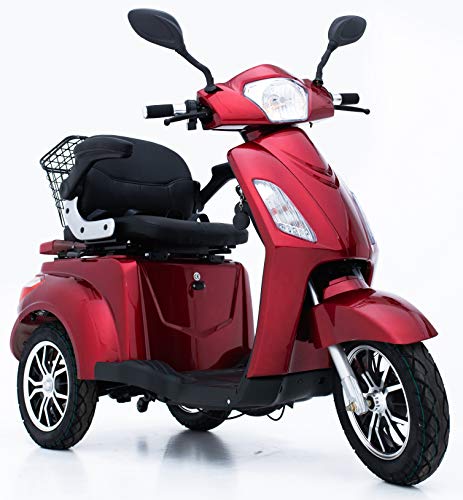
A large number of stakeholders are also involved in the development of smart mobility solutions. Transportation agencies city planners, engineers and other agencies are among them. All of these stakeholders must be able to work together. This will enable the development of better and more sustainable solutions that will be beneficial to the environment.
As opposed to other cyber-physical systems like pipelines for gas, the failure of smart sustainable mobility systems can result in devastating environmental, social and economic impacts. This is due to the necessity to match supply and demand in real-time, the storage capabilities of the system (e.g. energy storage) and the unique combination of resources within the system. In addition, the system are required to be able to handle large amounts of complexity and a wide range of inputs. They require a distinct IS driven approach.
Integration
Fleet management companies must embrace technology in order to be in line with the new standards. Smart mobility is a solution that improves integration, automation, and efficiency in addition to boosting performance.
Smart mobility includes a variety of technologies, and the term can refer to anything with connectivity features. Ride-share scooters, which are access via an app are a great example. Autonomous vehicles as well as other options for transport have also emerged in recent years. However, the concept can also be applied to traffic lights, road sensors, and other elements of a city's infrastructure.
Smart mobility aims to create integrated urban transportation systems that enhance the quality of life of people, increase productivity, decrease costs, and have positive environmental impacts. These are often ambitious objectives that require collaboration among city planners and engineers, as along with experts in technology and mobility. The success of implementation will ultimately depend on the specific conditions of each city.
For example, a city may need to build a larger network of charging stations for electric vehicles, or it may need to improve the bike paths and walkways to ensure safer walking and cycling. Also, it could benefit from traffic signal systems that can adapt to changing conditions, which can reduce congestion and delays.
Local transportation operators play an important role in coordinating this effort. They can build applications that let travelers purchase tickets for public transportation and car-sharing, bicycle rentals, and taxis on a single platform. This can make it easier to get around, and also encourage people to use sustainable alternatives for transportation.
MaaS platforms enable commuters to be more flexible when traveling around the city. This is contingent on what they need at any particular time. They can opt to rent an ebike for a longer trip or book a car sharing ride for a quick journey into the city. These options can be combined into one app that shows the entire route from door to door and allows users to switch between modes.
These integrated solutions are only the tip of the iceberg in terms of implementing smart mobility. In the near future, cities will need to connect their transportation networks, and provide seamless connections between multimodal journeys. Data analytics and artificial intelligence will be used to optimize the flow of people and goods and cities will be required to assist in the development and production of vehicles that can communicate with their surroundings.