

Electric Pedal Scooters
Two-wheeled vehicle that has pedals that is typically restricted to speeds of 30 MPH or less. Insurance, license, and registration are required (can vary based on the state).
E-scooters can be an enjoyable and eco-friendly method of travel. They also help reduce our dependence on fossil fuels. They're also a great alternative for those who require some help to get moving, like people with heart or leg muscle problems.
1. Pedal Assist
Pedal-assist devices allow riders to cruise without the need for continuous physical effort. A simple press of the throttle controls the motor to provide an individualized level of support that ranges from minimal to full power. The system is activated through an electronic sensor that is attached to the bike's cranks that detects the rate of pedal rotations (known as cadence) and sends an indication to the motor controller. The sensor adjusts electric motor power output in accordance with the cadence information to provide an enjoyable ride. The rider is able to select the level of assistance. The rider is also able to manually select the desired pedal assist level.
Depending on the type of electric scooter, there are different levels of assistance. Cadence sensors are the most popular type and work by using magnets placed in close proximity to the pedals to detect movement. When the magnet detects rotation, it activates motors and distributes power to cranks in proportion to the pedaling speed. buy electric mobility scooters is usually simple and smooth, but certain models also incorporate torque sensors to provide an even more natural experience.
Some e-bikes have an engine that is throttled instead of a cadence sensor or a torque sensor. These systems are usually more expensive, and the rider must press a button on the handlebars in order to activate the motor. This type of system is ideal for people with mobility issues who require access motor power without the need for pedaling.
It is important to understand these technical specifications in order to make an informed decision when choosing an electric scooter. Understanding the power (wattage and voltage) and battery capacity (Ah and Wh), range and speed and brakes (disc drum and the regenerative) and suspension systems and carrying mechanisms helps you evaluate the performance and suitability. Knowing the terminology isn't just a matter of jargon - it will give you the power to make the best choice for your unique needs and lifestyle!
2. Torque Sensor
The torque sensor is a device that is used on electric bikes to determine the amount of force being applied by the rider's foot on the pedals. The information is then sent to a motor controller that adjusts the power output according to. This allows the rider to receive more assistance from the motor when they are doing more work, such as climbing or going downhill. The motor could reduce its power output when the rider doesn't exert much effort. For instance when you are the motor is cruising or stopped.
Torque sensors work by using strain gauges or similar technology into the bottom bracket area, where the pedals and cranks are connected to the frame. The sensor detects movement and relays it to the motor controller. It analyzes the force applied to the pedals. This is a more efficient method to determine the amount of force being applied to the pedals by the rider.
A torque sensor can detect subtler changes in the amount of force applied to the pedals when compared to a cadence. This gives a more natural feeling and makes the motor appear as if it is an extension of the rider, instead of simply supplying power based on the selected assist levels.
In contrast, a cadence sensor relies on magnets and sensors to determine whether or not the crank arm is moving, and when it is it turns on to generate power. This can lead to a more rapid acceleration, but does not give the same natural and comfortable feeling that many riders desire.
Another drawback of a cadence sensor is that it only works when the bike is in motion and this can cause problems in rough terrain, where the pedals may move with little or no force because of loose dirt or uneven ground. Also, the rider must wait for the motor to engage before they can accelerate, which is difficult to do if you're starting from a standstill or going downhill.
3. Lean-To-Steer
Learn to control your child's scooter whether they're looking to speed up the journey to school or simply scoot in the neighborhood. Many kick scooters are available with two wheels which require you to turn the handlebars in the same way as the handlebars of a bicycle, or three-wheeled models that are more stable for elementary school and preschool youngsters.
They are also known as "lean-to-steer" scooters. They function by letting children shift their weight in a particular direction to propel the wheels in that direction, just as a skateboard. This method of steering might appear strange to adults, but children learn it easily. It's also more comfortable for young children, as they don't have to use their hands to steer.
Additionally, a lean-to-steer system is more robust on uneven surfaces and permits easy and gradual turns. This makes it the ideal scooter for children who wish to ride on roads or sidewalks.
Drobnjak explained that scooters enhance gross motor development because they strengthen the supporting leg and hip. This improves balance and coordination. The propelling leg increases strength using the quadriceps, hamstrings, and calf muscles. In addition the leaning and weight-shifting abilities kids acquire from scooting are transferable to other sports and activities such as surfing, skating and skiing, said Drobnjak.
A good scooter will also include a height-adjustable steering column and a wide range of weight limits, meaning it will grow with your child over time. It should be constructed of durable materials that are able to endure wear and tear.
The Micro Maxi scooter is a excellent example of this type of equipment. It comes with a three-wheeled design and lean to steer technology. The wheels are designed to allow kids to ride their scooters more safely since they can easily slide over cracks in the sidewalk or bumps. Lean-to steer lets kids make quick adjustments by shifting their weight in one direction. This provides them with an experience that is more intuitive which is quicker, safer and more enjoyable than traditional scooters.
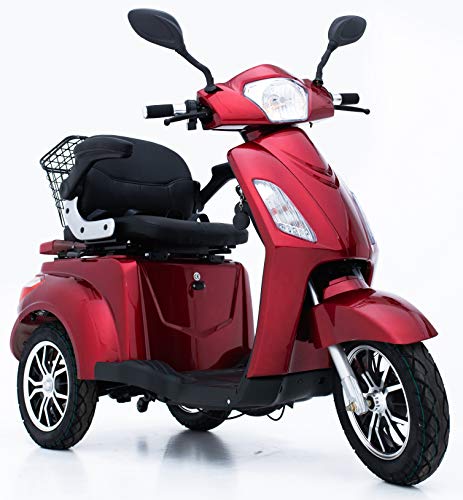
4. Large Storage
The Large Storage is an utility item that provides additional Tier-2 attachment slots to the Astroneer's base of players. It can hold up to 24 small objects, and it can be oriented in either horizontal or vertical positions. It can be set up in such a way that two of the slots are angled downwards, which makes it suitable for Floodlight. All inventory from multiple mounted Large Storage Modules will also unify and interact like a single module. So long as the module is running it will also power a RTG platform or a different powered platform. See how it works in the video below!